Knowledge Hub
Understand oil spills, one clear topic at a time.
The oil spill knowledge hub brings together plain-English guides to heating oil, contamination, cleanup, insurance and prevention. Action pages explain what to do; these guides explain why it matters.
Start with the foundations
Explore the oil spill knowledge hub by topic
Choose a topic below, or begin with the basics of heating oil and how spills spread.
Jump to: Foundations · Soil and water · Testing and clean-up · Systems and responsibilities · All articles
FOUNDATIONS
Oil spills explained
How spills begin, spread and affect property and the environment.
FUEL
Heating oil and fuels
Properties, common domestic systems and why different fuels behave differently.
Soil, water and the environment
Follow where the oil can travel.
Explore the ground beneath a property, nearby drains and water, and the wider environmental effects.
GROUND
Soil and contamination
Migration, staining, sampling, excavation, treatment and verification.
DRAINS
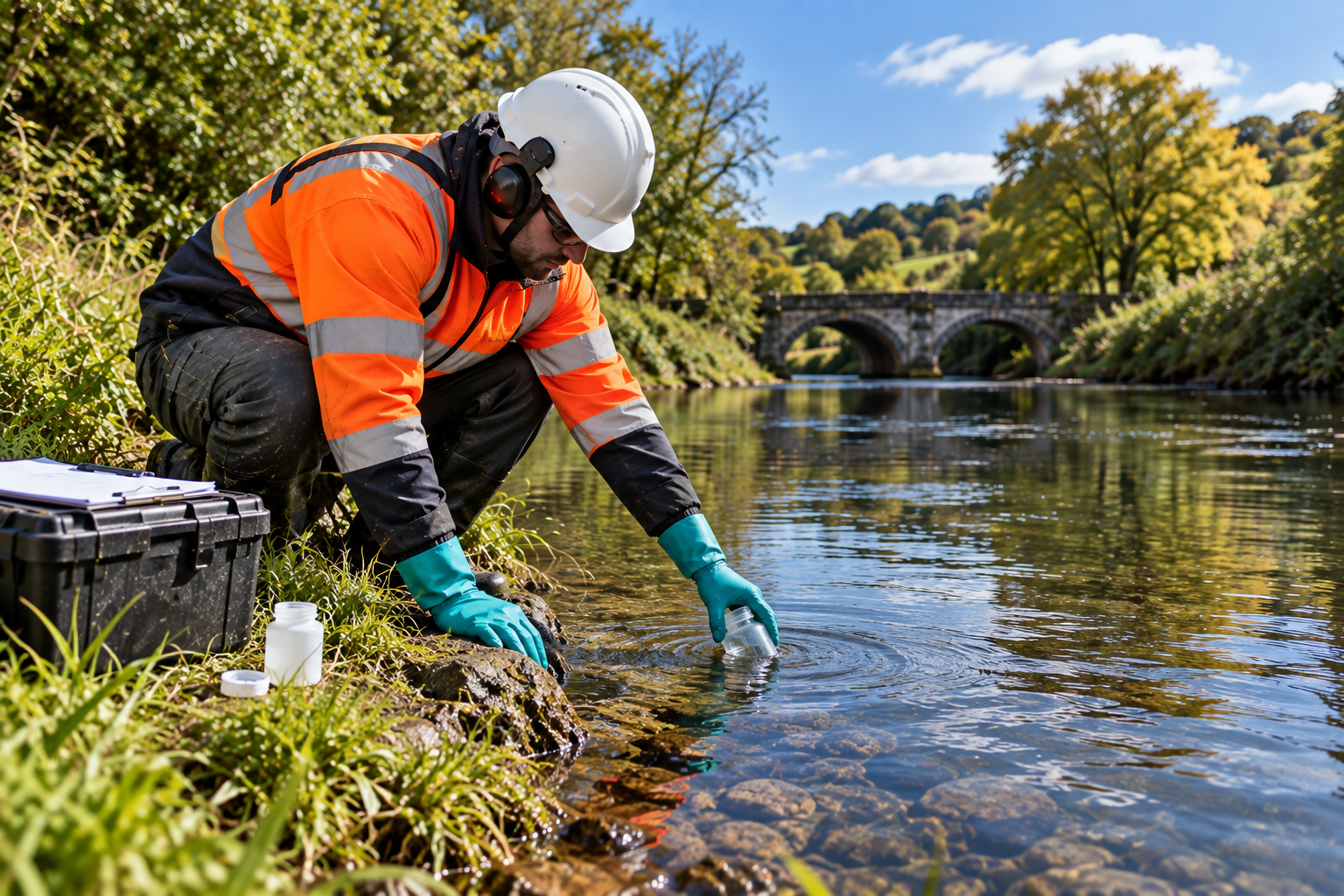
Rivers, drains and surface water
Pathways, reporting, containment and environmental sensitivity.
WATER
Groundwater
How oil can reach water below ground and why investigation may take time.
IMPACT
Environmental effects
Potential effects on plants, wildlife, water, soil and neighbouring land.
From evidence to action
Understand the work behind remediation.
EVIDENCE
Testing and monitoring
What samples, laboratory results and monitoring can and cannot show.
RECOVERY
Clean-up and remediation
Investigation, objectives, remedial methods, waste and closure.
The practical questions
Your system, your claim, your responsibilities.
SYSTEMS
Tanks and heating systems
Tanks, boilers, pipework, filters, supports and common failure points.
FINANCIAL
Insurance and liability
Claims, evidence, roles, cost factors and third-party concerns.
RULES
Authorities and responsibilities
Jurisdiction-specific reporting, environmental duties and official guidance.
ALL ARTICLES
Browse all guides and insights
Browse the oil spill knowledge hub articles directly, or choose a topic above.
New homeowner guides
- Does my home insurance cover a heating-oil spill?
- Can a heating-oil spill affect my health?
- What oil-spill costs might I have to pay myself?
- What happens when a loss adjuster visits after an oil spill?
- What should I tell my insurance company after an oil spill?
- How do I know my property has been cleaned up properly?
- How to read your home insurance policy after an oil spill
- Do I have to use my insurer’s chosen cleanup contractor?
- What might my insurance policy exclude after an oil spill?
- Oil fumes indoors: understanding air testing and results
- How are oil-spill cleanup targets decided?
- Could an oil spill affect my drinking-water supply?
- Why does an oil spill need cleaning up?
- Can I clean up a heating-oil spill myself?
- How will my home and garden be restored after an oil-spill cleanup?
- How long will an oil-spill cleanup take?
- Where does oil-contaminated soil go, and how is the waste classified?
- Can I stay in my home during an oil-spill cleanup?
- What happens if an oil spill crosses my property boundary?
Start with the basics
How domestic heating-oil spills spread
Water and the environment
How heating oil can affect groundwater
What happens when heating oil reaches drains or surface water?
Plain-English glossary
Plain-English glossary
Clear definitions of the technical terms you may encounter.
Getting the most from a guide
Read the summary. Check where it applies.
Start with the practical answer, then explore the explanation and sources when you want more detail. Rules and contacts can vary by location.
For important decisions, look for the author or reviewer, supporting sources, review date and any limits to the guidance.
Can’t find the right guide?
Start with what has happened, not the technical term.
The guided route can point you towards the most relevant action page, explanation or type of professional support.
Choose a guide that fits your situation
Use the oil spill knowledge hub to answer one question at a time. If a leak is active, start with immediate actions. If the release has stopped, read about assessment and recovery before comparing cleanup methods. For routine care, use the equipment and prevention guides.
Keep the source, location and date of the information in mind. Guidance about one country, fuel or type of site may not apply to another. A general explanation can help you prepare questions, but it cannot establish the extent of contamination at your property.
For official Northern Ireland advice, see nidirect’s oil spills at home guidance. For help choosing your next step, visit our recovery guide or specialist support page.