Can I clean up a heating-oil spill myself?
The short answer
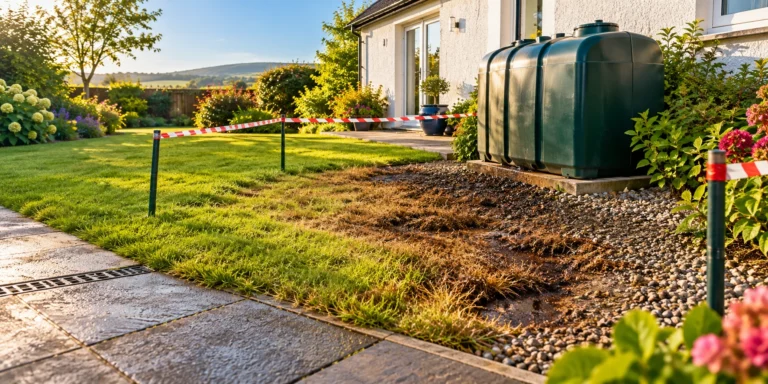
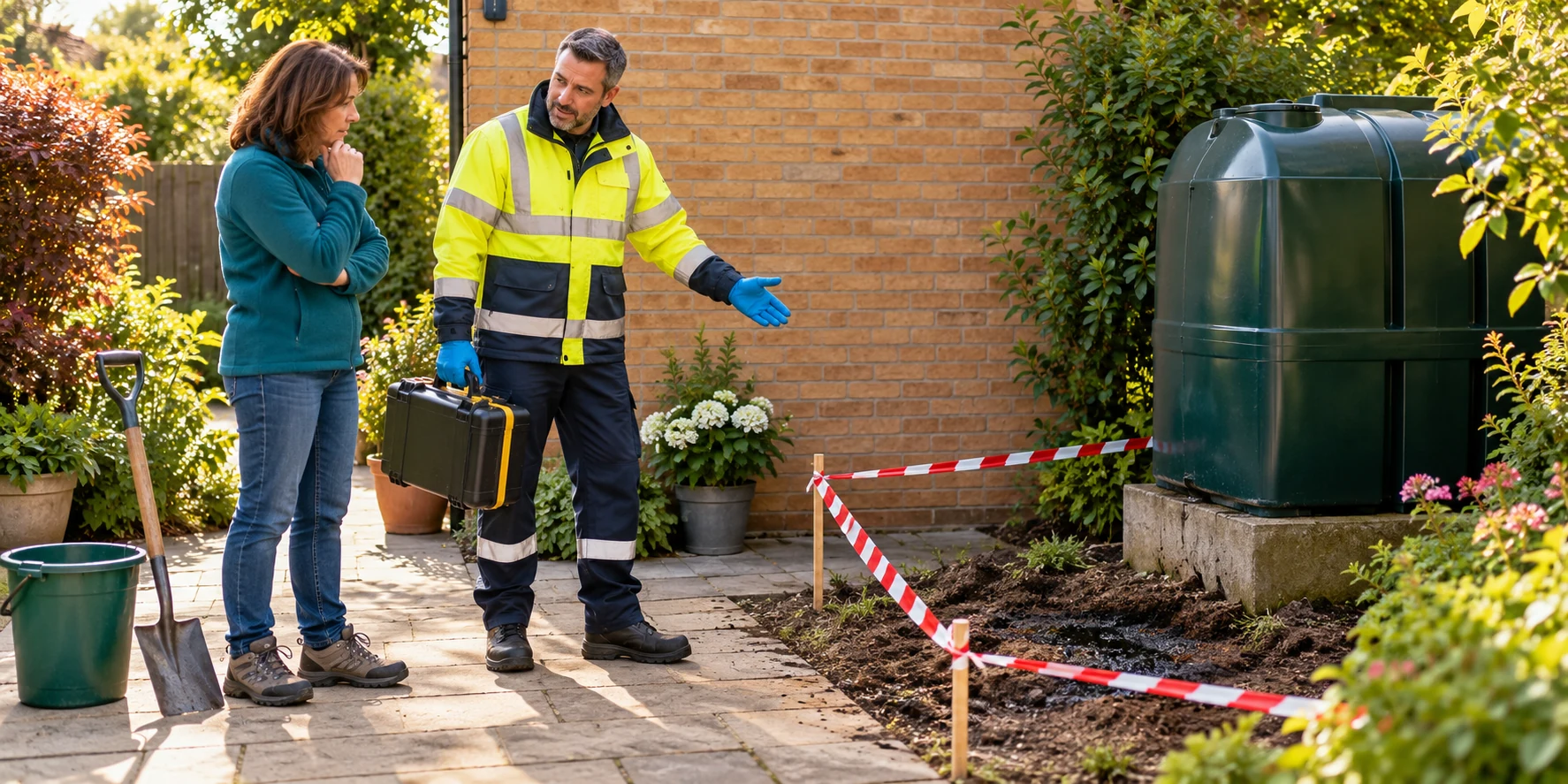
Do not assume a domestic heating-oil spill is suitable for DIY cleanup. Northern Ireland’s official guidance recommends expert inspection and cleanup. [1] You can help by reporting the incident, keeping children and pets away, recording observations safely and following specific advice. Leave fuel transfer, intrusive investigation, excavation, contaminated-water handling and treatment to appropriately competent people. A small visible patch does not tell you the full extent or provide a safe working method.
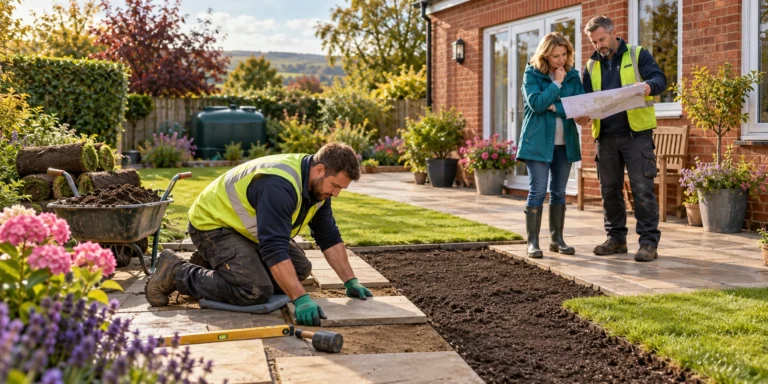
Every single time we were asked to check on a DIY project we ended up re-visiting again and again. Its natural to want too do the least possible, but with no technical background, no way of testing what’s left inevitably it never gets dealt with correctly. With a specialist company, their professional reputation and insurance needs to cover the work and the will make sure everything is protected.
When oil escapes at home, doing something immediately feels better than waiting. Some useful actions are straightforward: keeping people away, calling for help and preserving information. Digging out soil, handling fuel or trying a chemical treatment is a different undertaking. The important distinction is between a safe first response and taking responsibility for remediation.
By Spill-Response Editorial Team · Sources checked: 26 October 2026 · Northern Ireland focus
In this guide
- Decide what can safely be done now
- Do not confuse containment with cleanup
- Excavation creates hazards of its own
- Fuel and contaminated water require suitable handling
- Cleanup generates waste decisions
- A bagged sample is not a complete investigation
- Protect the evidence and clarify insurance instructions
- Use your effort where it helps most
- Your practical checklist
- Your next step
- Sources and further reading
Decide what can safely be done now
Start with the current circumstances rather than a list of jobs. Is oil still escaping? Are fumes affecting occupied rooms? Could a drain, watercourse or water supply be involved? Tell the responder what you know and what you cannot safely check. If there is an immediate emergency, use the emergency services.
Follow the site’s emergency oil-spill guidance and the instructions of the relevant responder. Do not enter an affected space or disturb a damaged installation to obtain a photograph. A useful record can be made from a safe position, and a missing photograph is preferable to additional exposure or injury.
Ask who is attending and what should happen before they arrive. If you are given a task, repeat it back and explain any reason you cannot carry it out safely. Instructions intended for someone with suitable equipment and training may not be appropriate for a homeowner in ordinary clothing.
Do not confuse containment with cleanup
An immediate measure may reduce spreading without resolving the incident. Ask what follow-up is needed after any absorbent or barrier is used and who will manage affected materials. The fact that liquid is no longer visible does not tell you whether oil has entered ground, a joint or another route.
Do not wash oil into drains, bury contaminated material or apply a product simply because its label mentions oil removal. Ask a specialist how a proposed action fits the actual site. A cleaner that changes the appearance of paving is not evidence that affected soil or water has been addressed.
Keep people and pets away from contaminated materials and the working area. Avoid tracking material through the house. If you have already used a product or moved material, tell the investigator what, where and when. Honest information is more useful than trying to recreate an untouched scene.
Excavation creates hazards of its own
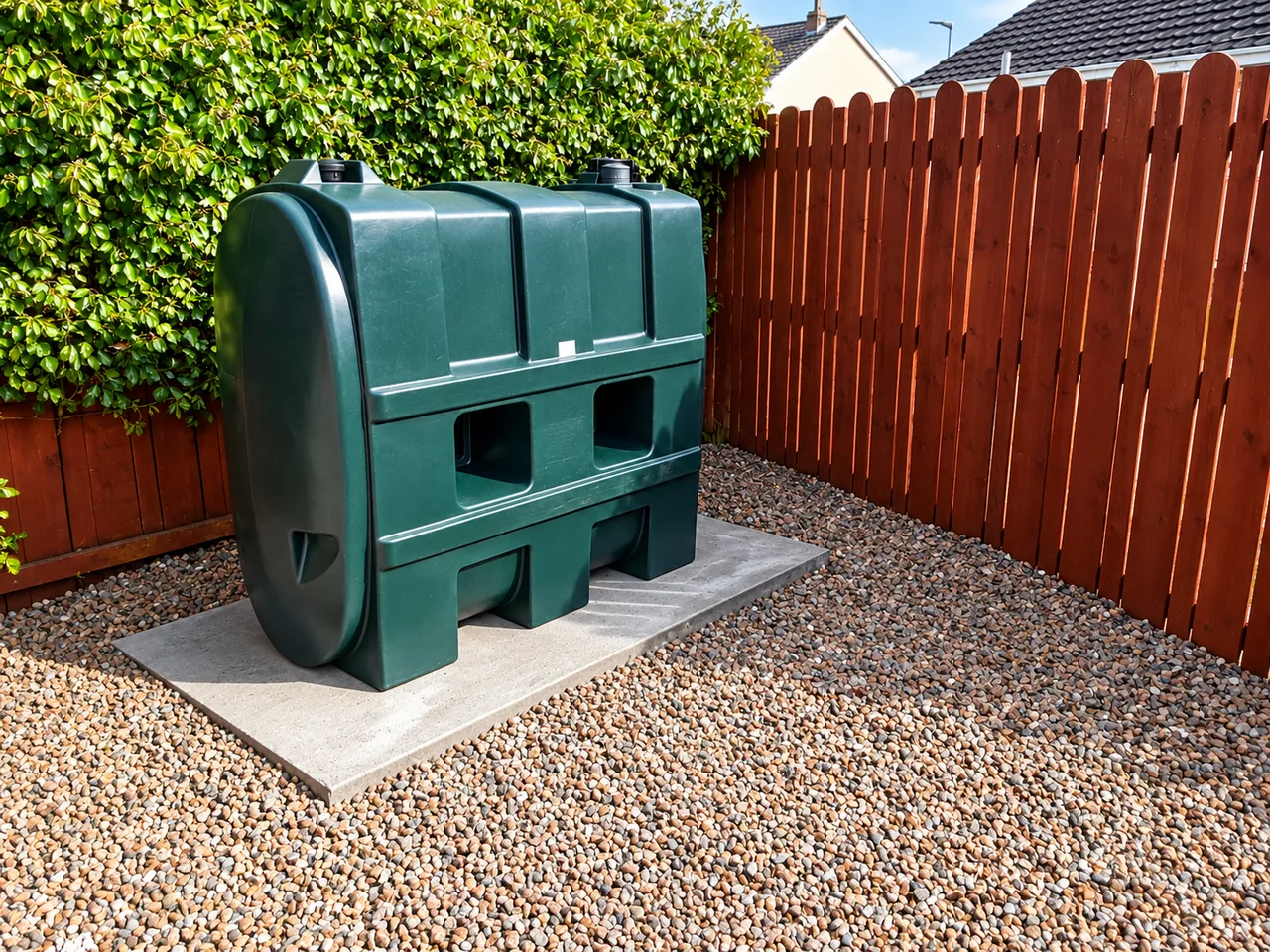
A spade or hired digger does not turn an environmental problem into a simple gardening job. Buried services, foundations, unstable ground, access and waste handling all need consideration. A drawing of a service route is useful information, but it is not permission to excavate without an appropriate method.
HSENI’s excavation example highlights the need to communicate site information, consider utilities, plan access and review the method when conditions change. [2] It is a worked example for managed construction activity, not a set of dimensions or instructions to copy into a domestic oil cleanup.
HSE’s underground-services guidance similarly sets out planning, locating services and safe excavation as connected tasks. [3] That Great Britain technical guidance helps explain the hazard; it does not replace Northern Ireland requirements or a competent assessment of your property.
Ask the contractor who will assess work near walls, floors or retaining structures. Do not excavate beneath them to see whether oil is present. The investigation may require coordination between environmental and building professionals before material can safely be removed.
Fuel and contaminated water require suitable handling
Do not improvise a fuel-transfer system or open a tank to make it easier to move. Tell the heating or spill specialist what is known about the tank, contents and damage. Ask who is responsible for making the installation safe and for any remaining fuel.
If water is collecting in an excavation or contains a visible sheen, ask the team how it will be assessed and managed. Pumping it elsewhere can move the problem. A convenient drain, ditch or patch of land is not automatically an appropriate destination.
Keep containers and equipment used during the response separate from ordinary household use. Do not carry uncertain material to a recycling centre without first checking the authorised route with the appropriate service. Explain that it is associated with a fuel spill rather than describing it simply as garden waste.
Cleanup generates waste decisions
Material removed during a spill response may need assessment and a suitable waste route. DAERA’s duty-of-care guidance explains the importance of accurate descriptions, preventing escape and transfer to authorised persons. [4] Ask the appointed contractor how those requirements apply to the materials from your incident.
A receipt for a skip does not explain what went into it, where it went or whether the receiving facility could accept it. Request the relevant transfer or consignment records and keep them with the cleanup file. The detailed obligations depend on the waste and the parties involved; a homeowner should not guess a classification code.
This is another reason to avoid informal disposal. An offer to take soil away without questions or paperwork may leave you without a defensible account of the response. Ask for the proposed destination and records before removal, while there is still an opportunity to resolve gaps.
A bagged sample is not a complete investigation
You may be tempted to send a handful of soil to a laboratory and decide what to remove from the result. A useful investigation needs a reason for choosing the sample, an accurate location, an appropriate method and an interpretation. The laboratory result describes the material tested, not automatically the whole site.
Ask the specialist which uncertainty each sample will resolve. If an affected area cannot be accessed, ask how that limitation will be handled. Sampling convenience should not quietly become the basis for concluding that a difficult area is unaffected.
Keep household observations separate from formal evidence. Photographs, dates and repair records can help the investigator plan the work. They do not need to be presented as a homeowner’s technical assessment. Your role can be extremely useful without taking on a task that requires specialist competence.
Protect the evidence and clarify insurance instructions
Notify the insurer promptly and explain any urgent action already taken. Ask what it authorises, who will attend and how necessary costs should be recorded. Keep receipts and messages together. If you cannot wait for a routine callback because the situation is worsening, make that urgency explicit.
Before a failed component is discarded, ask whether the insurer or investigator needs it preserved, provided this can be done safely by the person handling it. Do not dismantle a system yourself to establish blame. A factual record is more useful than an early conclusion about who caused the release.
If insurance does not fund the response, the need to address the incident does not disappear. Request a staged scope that identifies urgent work, investigation and later decisions. Ask what can be planned in phases without leaving important risks unresolved.
Use your effort where it helps most
| Useful homeowner contribution | Work needing appropriate specialist control |
|---|---|
| A dated account of observations | Determining the contaminated extent |
| Existing photographs and maintenance records | Intrusive sampling or excavation |
| Clear information about access and household needs | Assessing occupation and exposure |
| Recording instructions and agreed costs | Fuel transfer, treatment and waste classification |
| Keeping the completion documents | Interpreting results and confirming the endpoint |
Prepare access information without entering restricted areas. Tell the team about pets, children, mobility needs, shared driveways and known services. Agree who can enter the property and how you will receive updates. These details can make the response more effective while keeping technical responsibility clear.
If you have already attempted cleanup, do not assume the incident is beyond assessment. Provide a factual account of what was removed, where it was put, products applied and changes observed. The professional can then explain which questions remain and how to investigate them.
Your practical checklist
- Seek expert help and report urgent changes promptly.
- Keep people and pets away from affected materials and work areas.
- Record observations only where it is safe to do so.
- Avoid digging, fuel transfer or improvised chemical treatment.
- Tell the team about any action already taken.
- Ask for the work scope, waste records and completion evidence.
Your next step
Use your first conversation to identify the immediate response and the lead specialist. Our guides to site assessment, comparing quotations and soil-removal records explain what to ask next.
Related homeowner guides
Sources and further reading
- nidirect — Oil spills at home. Northern Ireland domestic-spill guidance.
- HSENI — Example method statement for excavations. Northern Ireland construction-safety example; not a DIY method.
- HSE — Avoiding danger from underground services, HSG47. Great Britain technical safety guidance.
- DAERA — Duty of care. Northern Ireland waste-management guidance.
Sources checked 26 October 2026. This article explains boundaries and practical questions; it is not a site-specific method statement or permission to undertake hazardous work.
Need help with your situation?
If you need help identifying suitable specialist support, tell us what you have observed and the questions you need answered.